About the Facility:
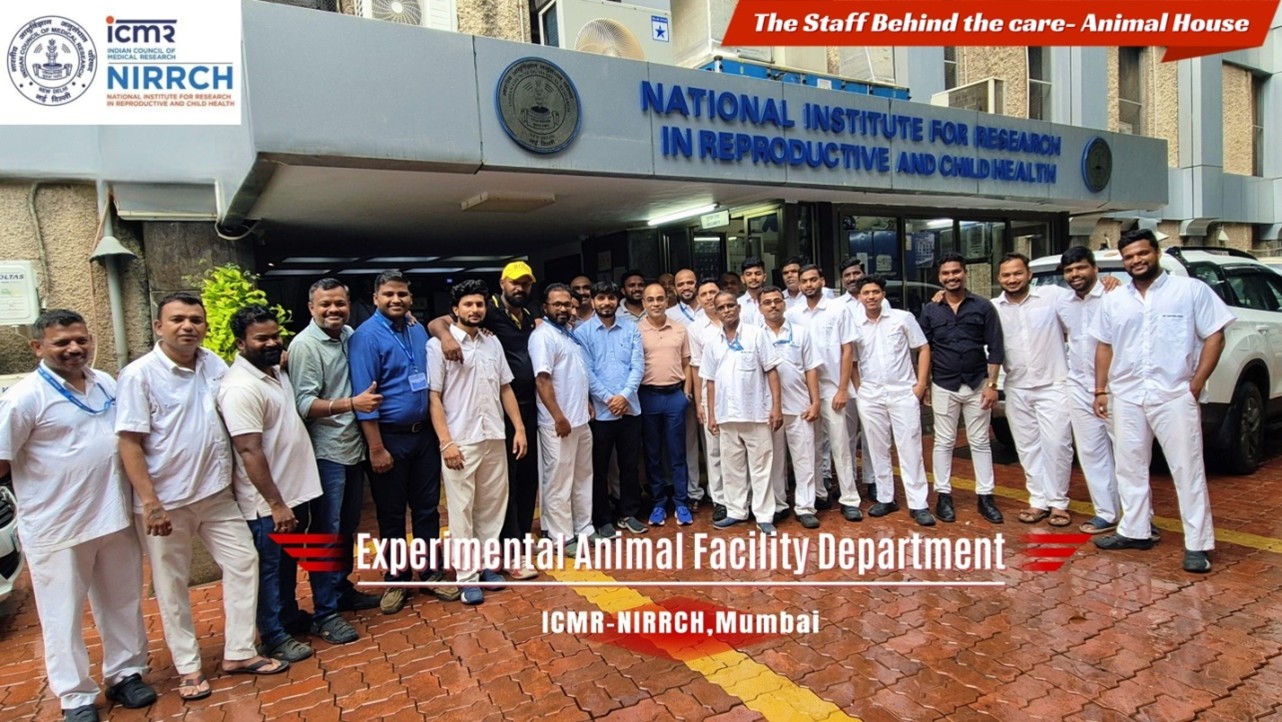
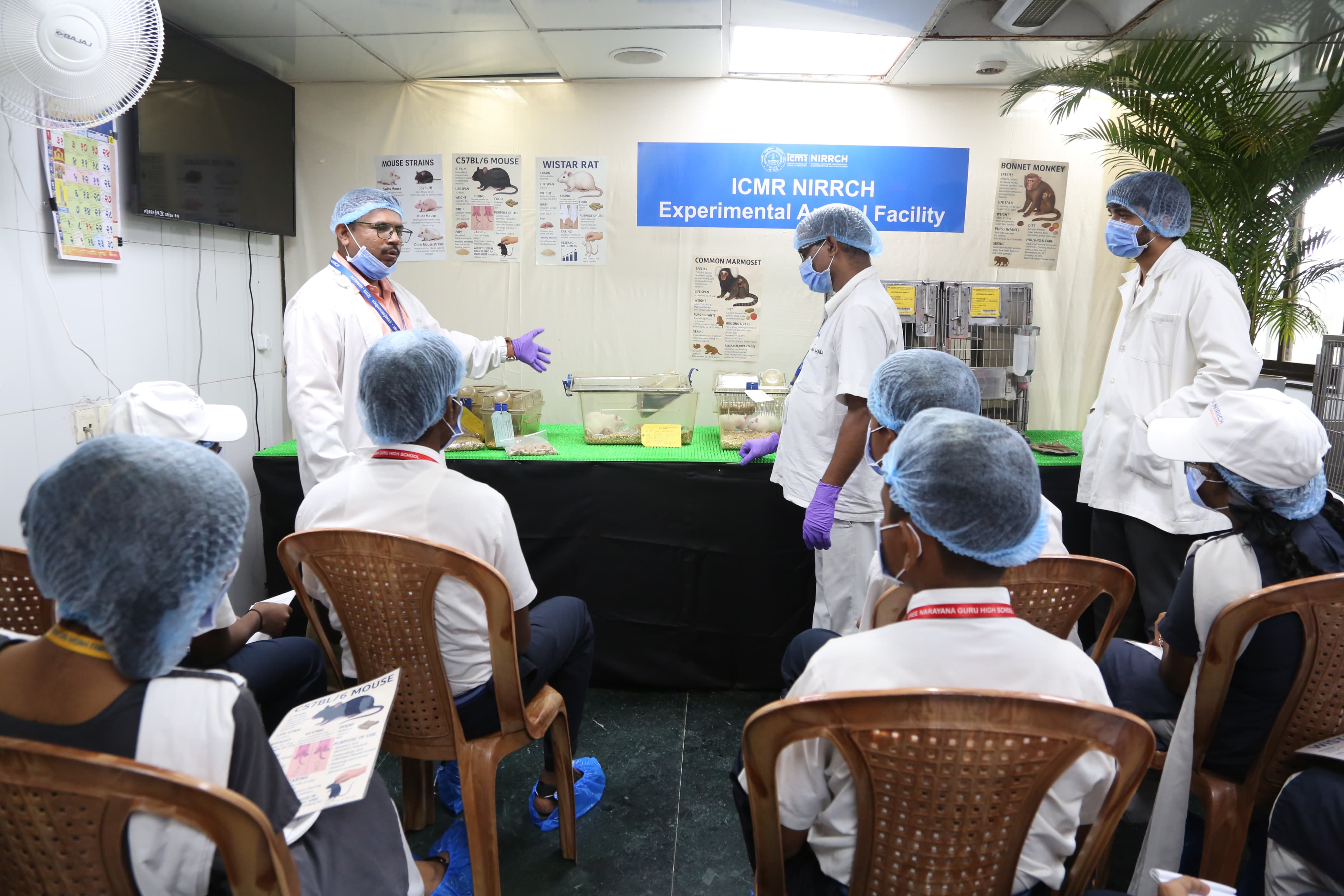
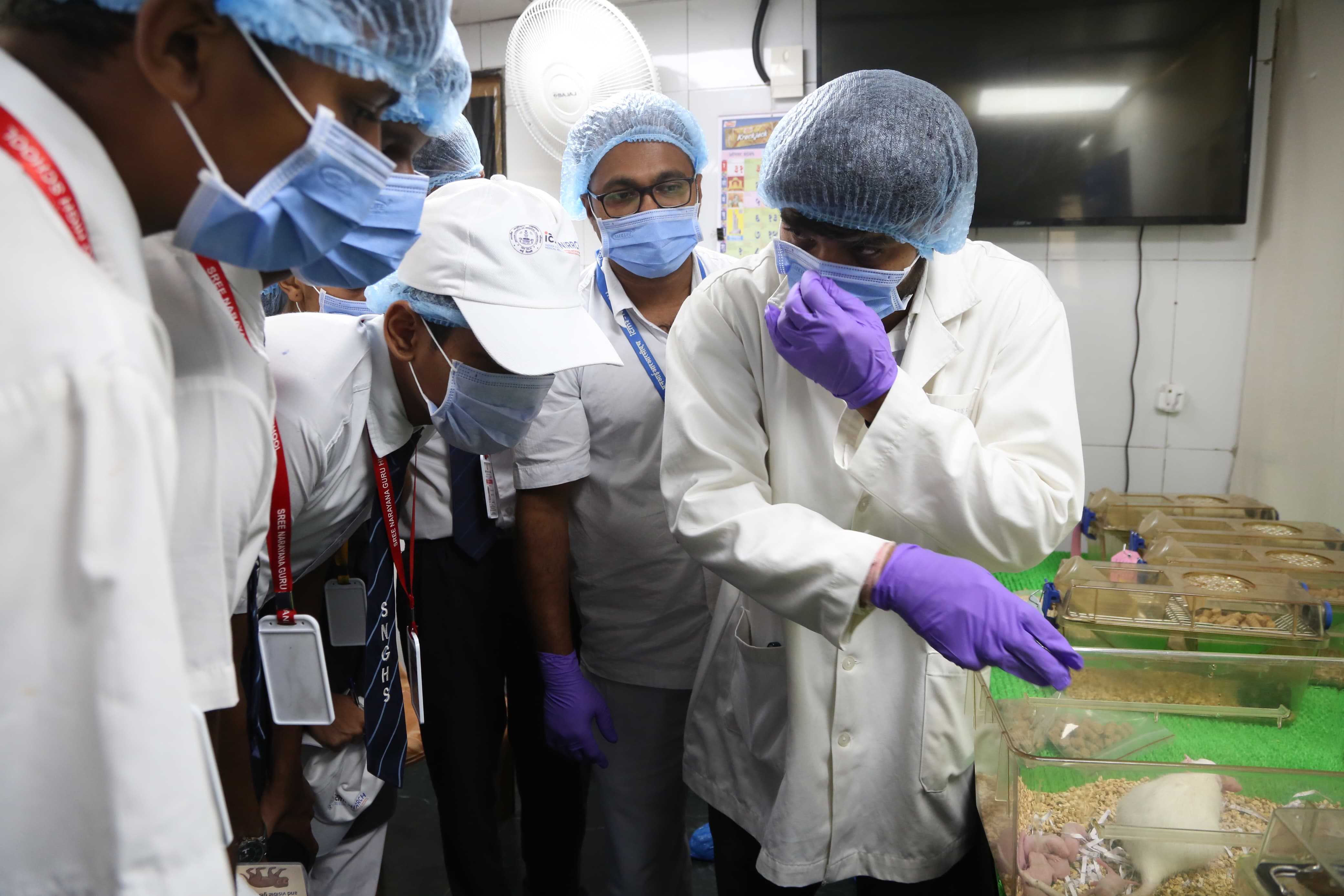
The Experimental Animal Facility is distributed over three floors with an area of nearly 8000 sq. ft. and is supported with qualified veterinarians and skilled animal care staff. The animal facility is a dedicated unit that supports preclinical research and biomedical studies by providing ethically maintained and scientifically validated laboratory animals. Our facility adheres strictly to the guidelines of the CCSEA (Committee for Control and Supervision of Experiments on Animals) to ensure the highest standards of animal care and welfare. Equipped with controlled environmental systems, standard operating procedures, and trained personnel, we ensure optimal conditions for housing, breeding, and experimentation of animals.
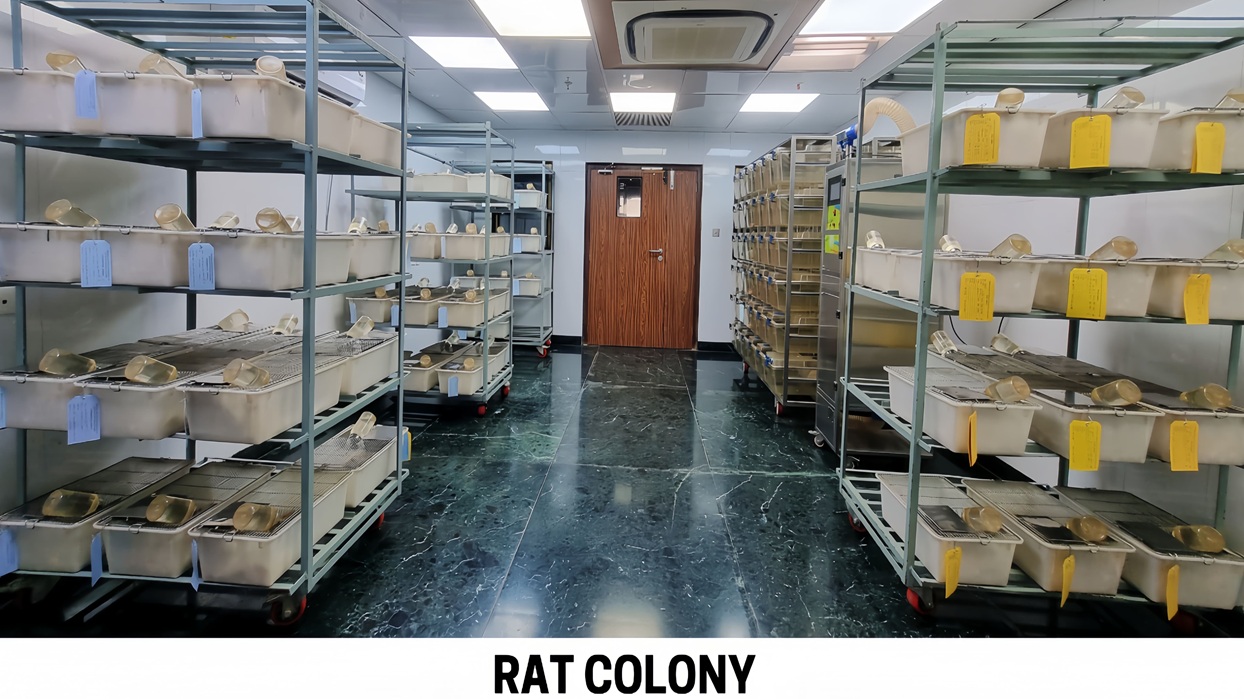
Our facility plays a critical role in translational research by offering a wide range of animal models including non-human primates (bonnet monkeys and marmosets), rodents (Wistar rats and Swiss albino mice) and lagomorph (Rabbit). These models are utilized in pharmacological, toxicological, and disease mechanism studies. The department collaborates with internal and external researchers, providing technical assistance and support for protocol development following national and institutional regulations. A dedicated diagnostic laboratory is also an integral part of Animal House, catering to services for hematology and biochemical parameters necessary for various animal-related research projects, generating vital data that supports experimental studies.
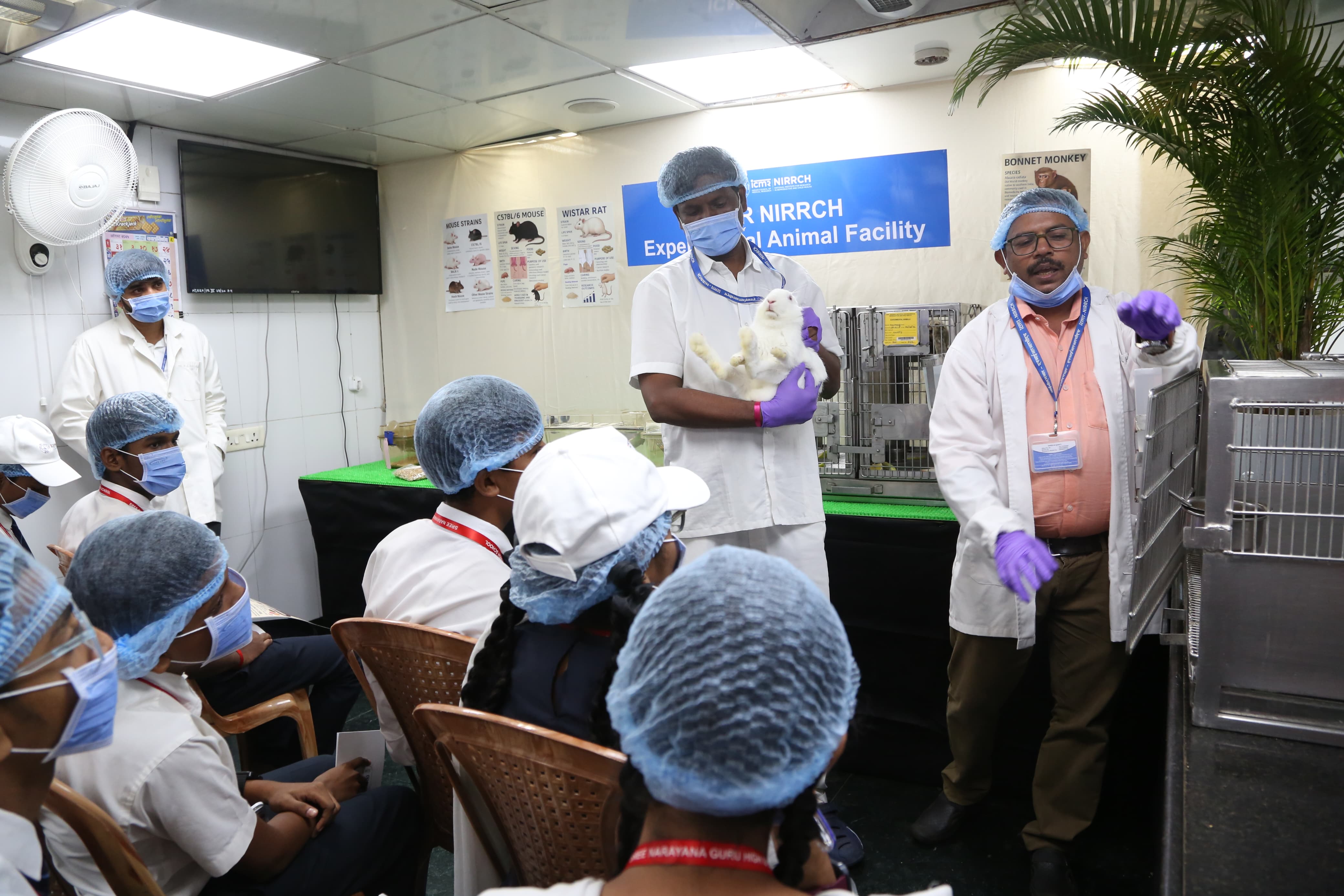
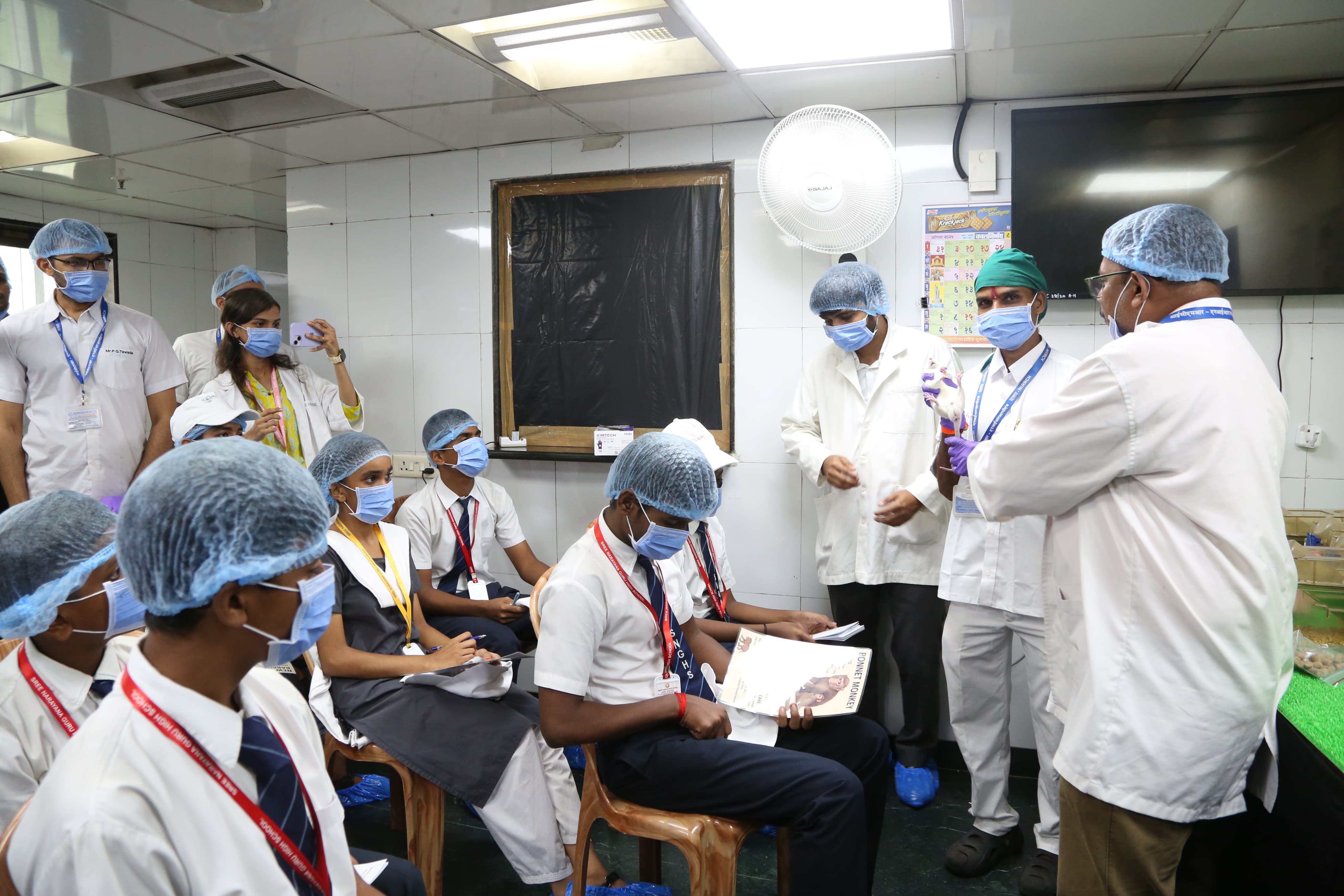
We are committed to the ethical use of animals in scientific research, promoting the 3Rs—Replacement, Reduction, and Refinement—in all experiments. Regular training programs are conducted for researchers, students, and technical staff on best practices in animal handling, husbandry practices and humane endpoints
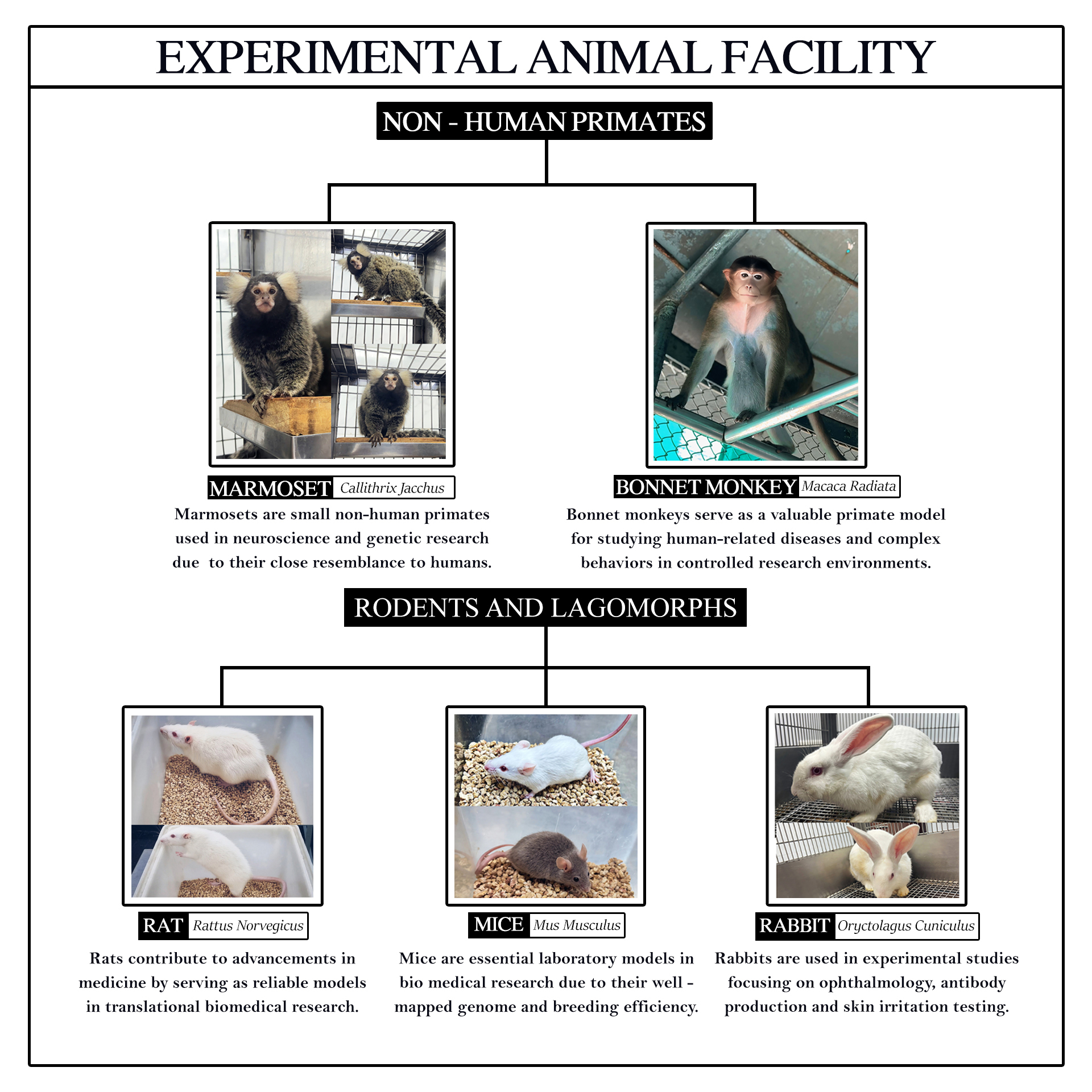
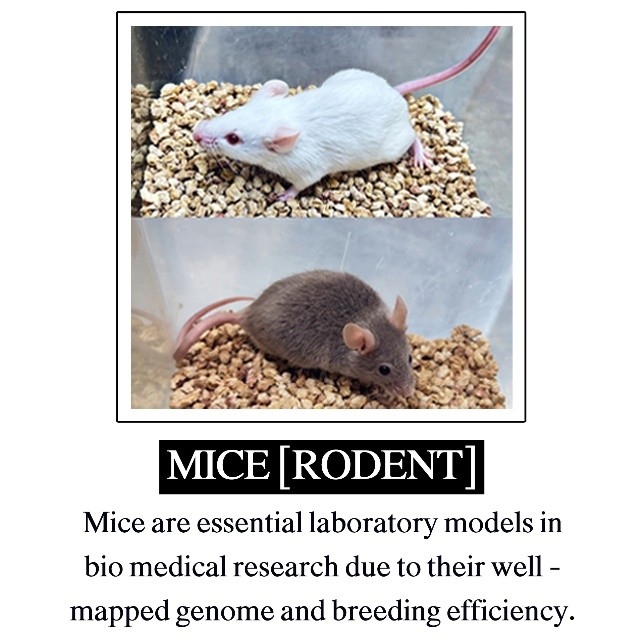
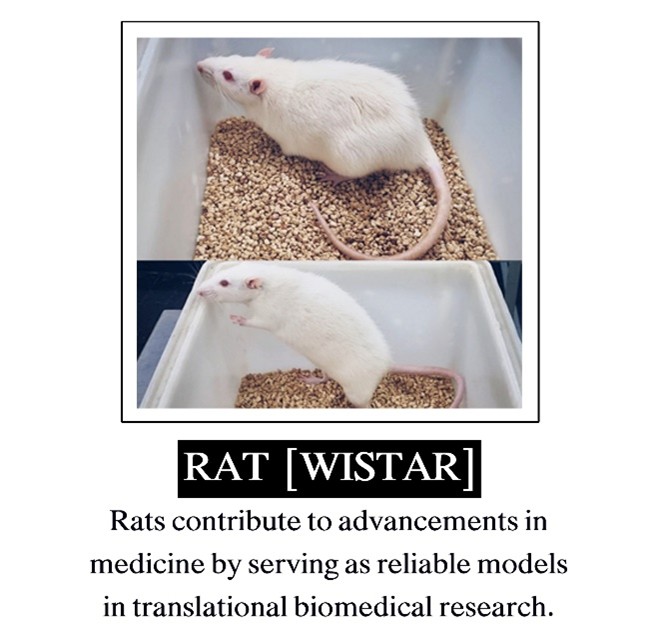
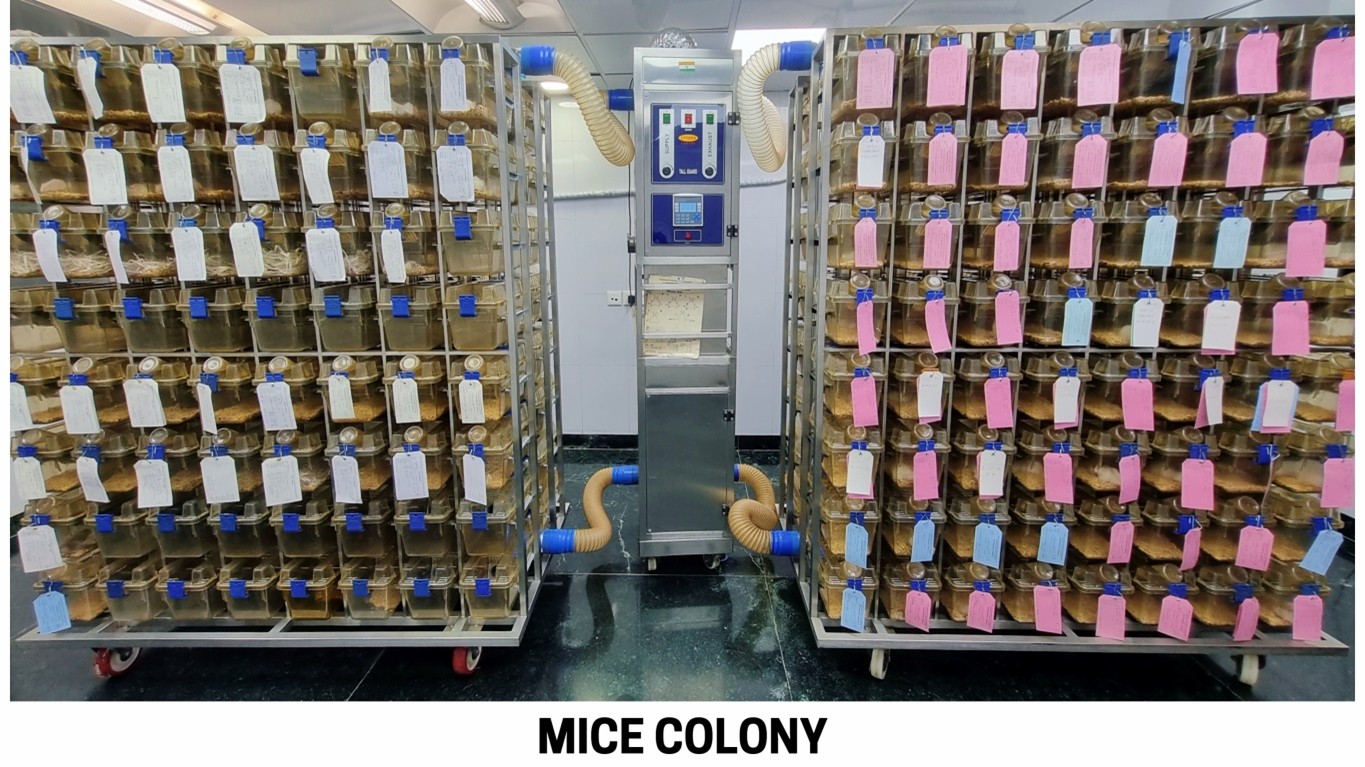
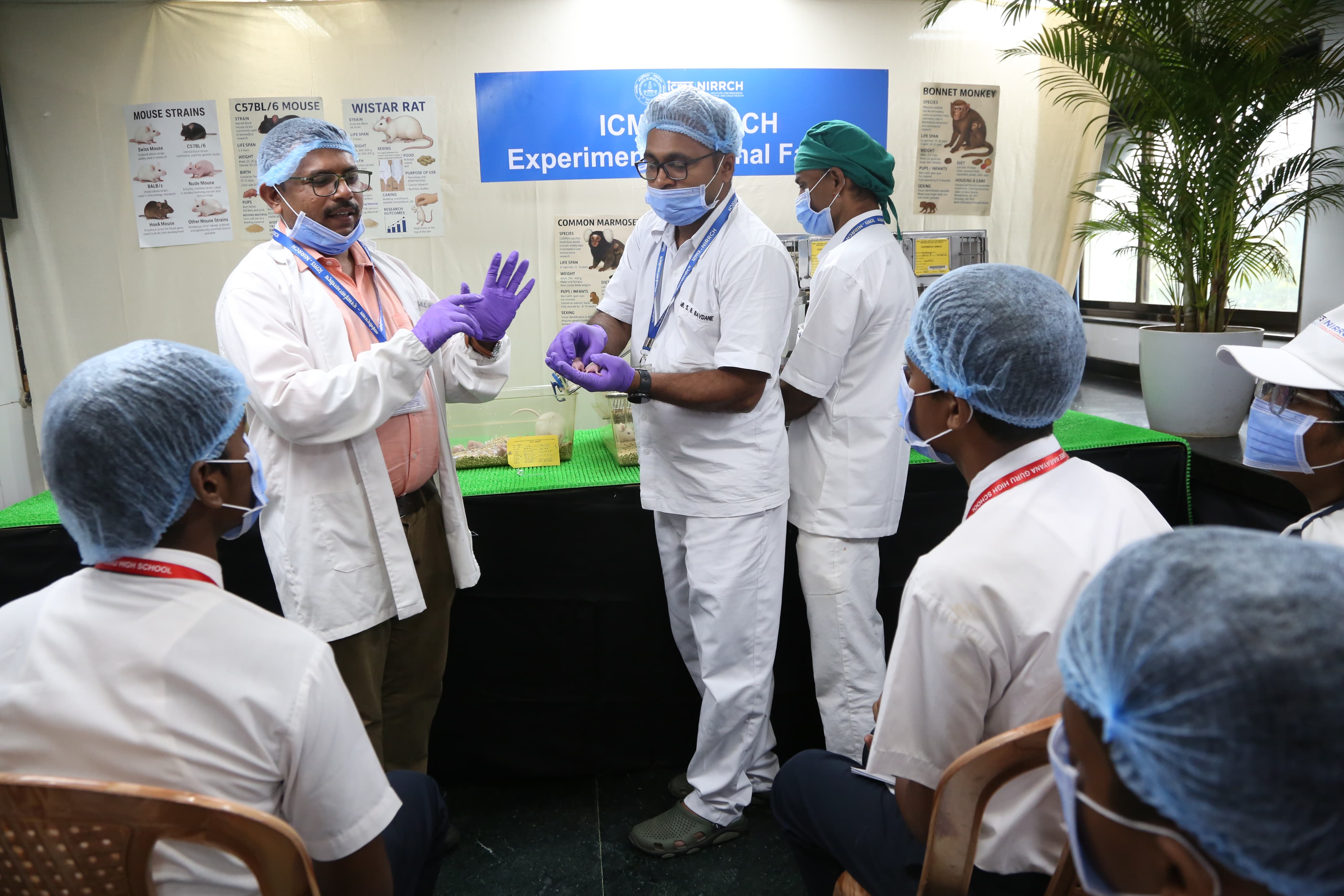
The rodent breeding Facility is dedicated to the systematic breeding and maintenance of laboratory rodents, primarily rats (Rattus norvegicus) and mice (Mus musculus). The facility houses commonly used mouse strains like Swiss, BALB/c, and C57BL/6, as well as genetically modified transgenic lines, including FVB-GFP, B6-GFP, and Oct4, in individually ventilated cages. These models are essential for biomedical research due to their well-mapped genomes and breeding efficiency. We ensure a continuous supply of quality animals for research following standard husbandry protocols. Trained staff assist Ph.D scholars and researchers, support daily feeding routines, and adhere strictly to ethical and regulatory guidelines for laboratory animal care.
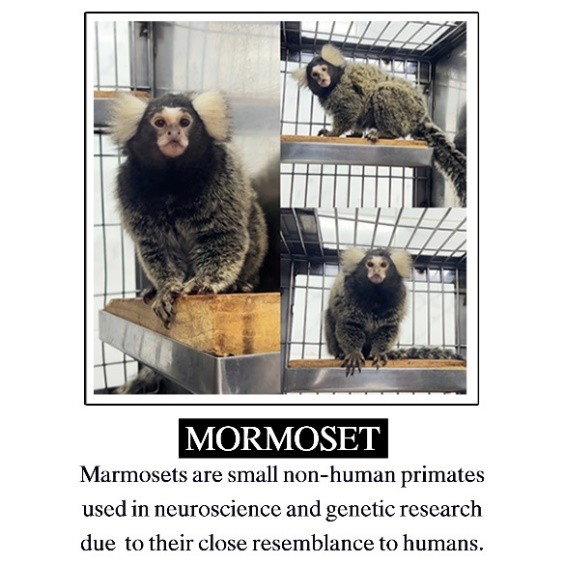
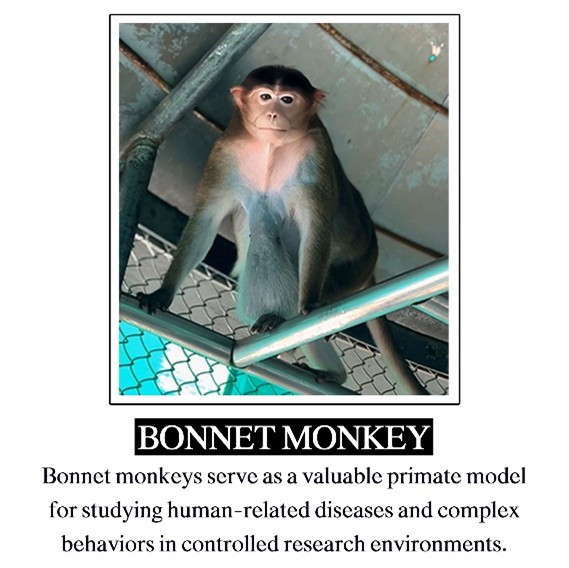
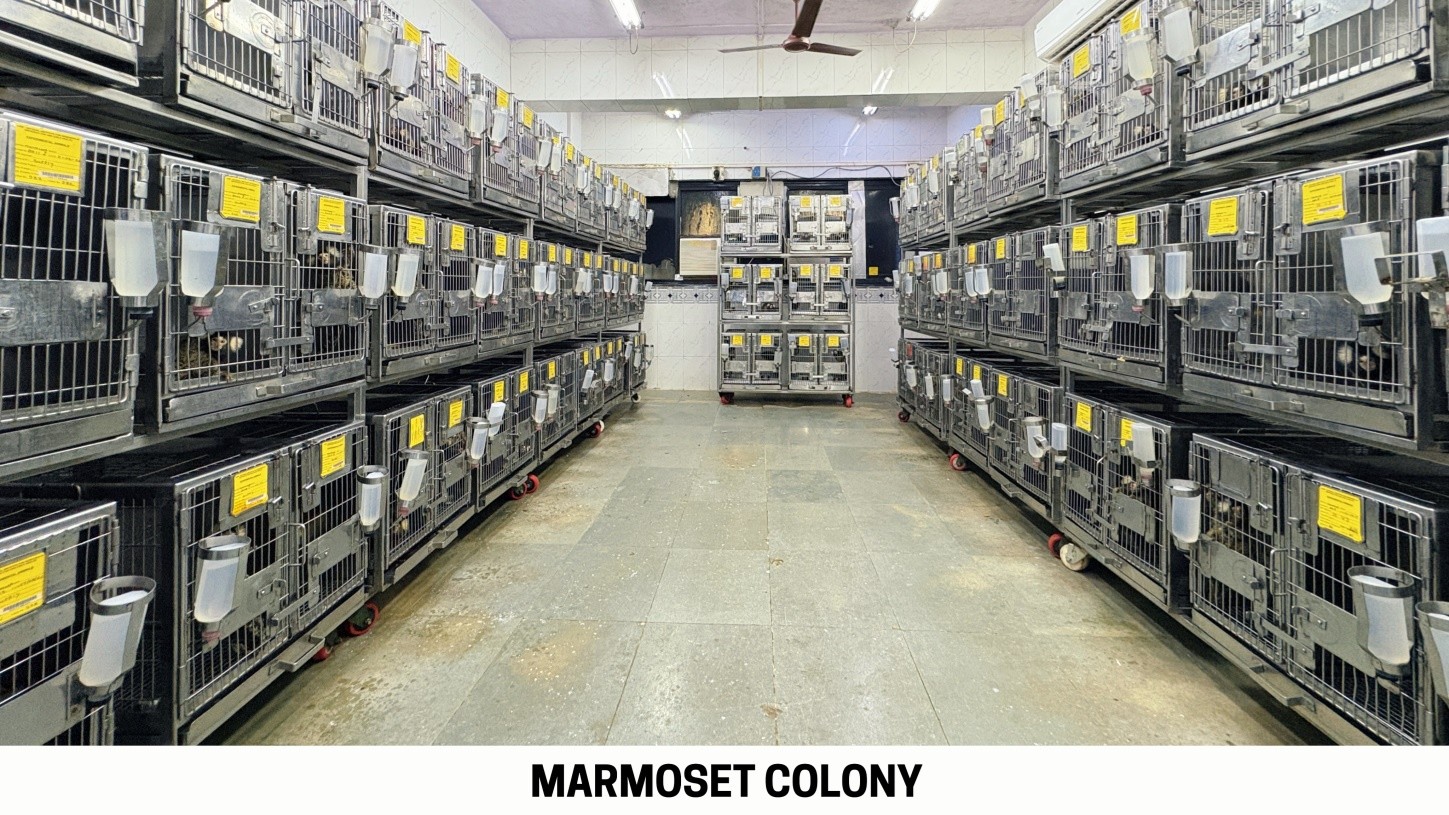
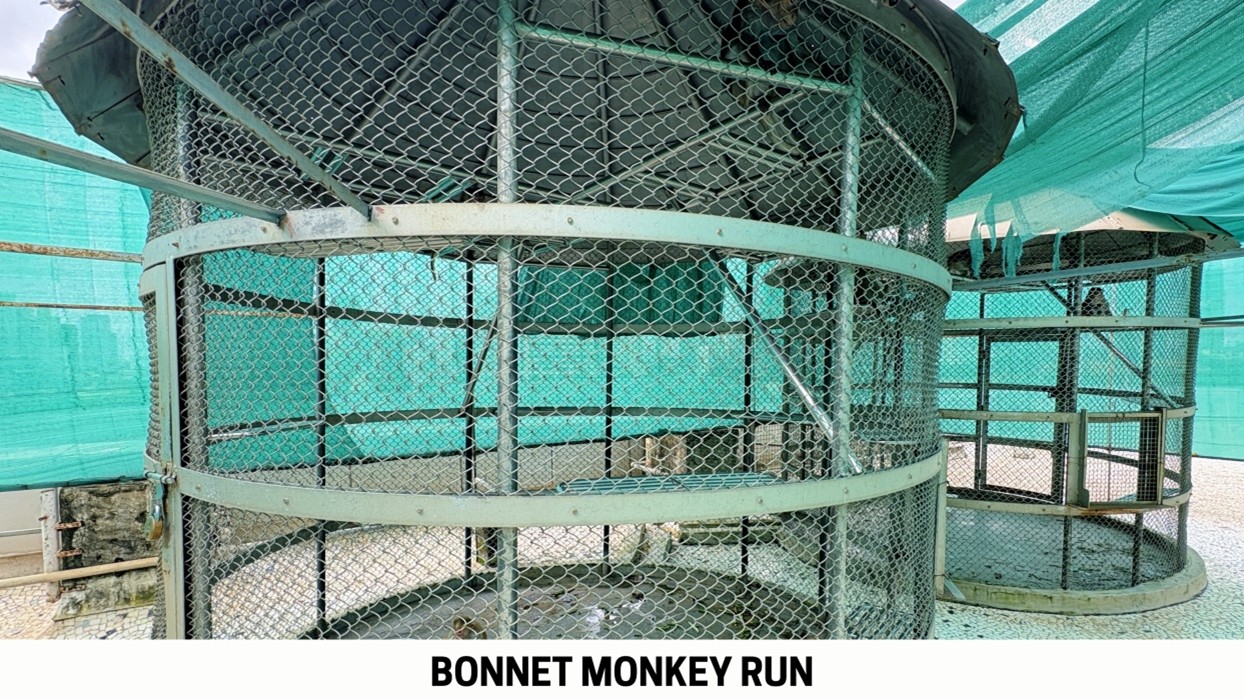
The Primate Breeding Facility houses and maintains Bonnet monkeys (Macaca radiata) and Common marmosets (Callithrix jacchus) for advanced biomedical research. These non-human primates are bred under strict environmental and ethical standards, ensuring enrichment, social housing, proper diet, and veterinary care. The facility supports research in areas such as behavioral studies, reproduction, and vaccine development. Trained personnel handle breeding, management, record-keeping, daily health monitoring, and ensuring compliance with national guidelines and CCSEA regulations.


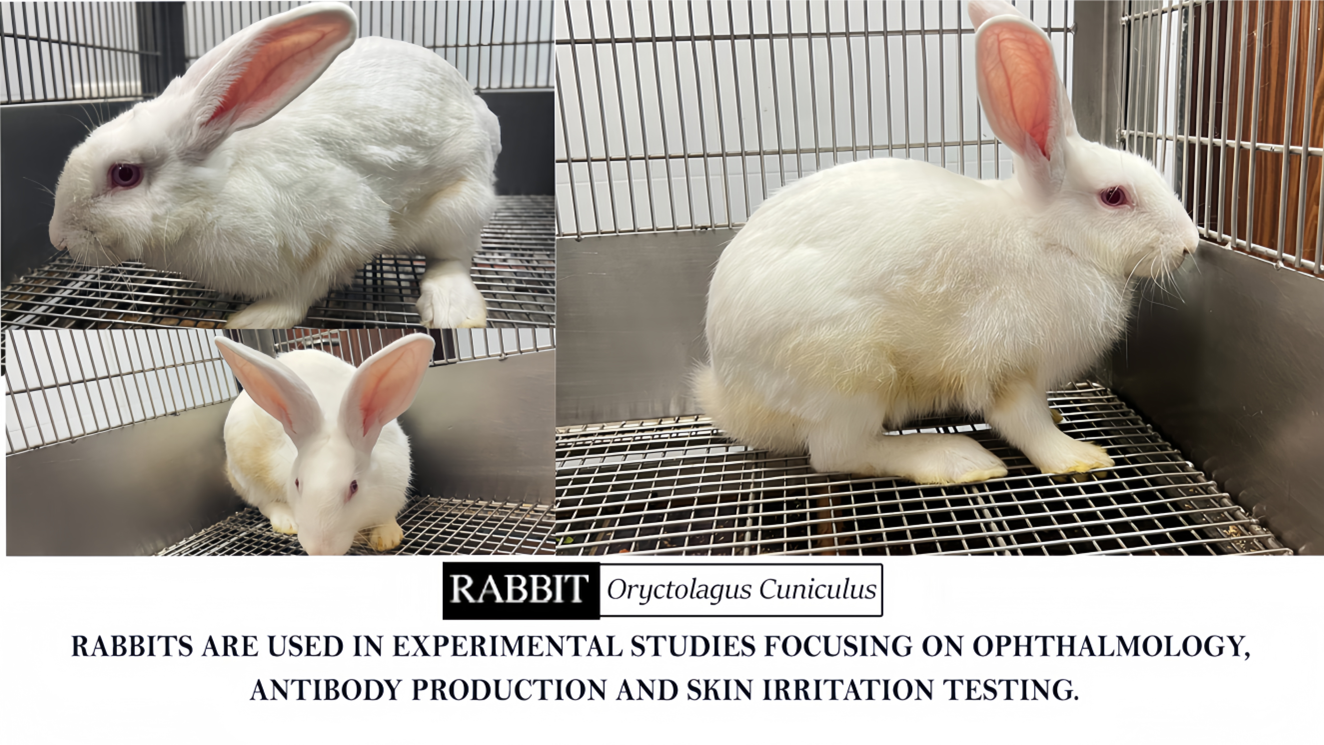
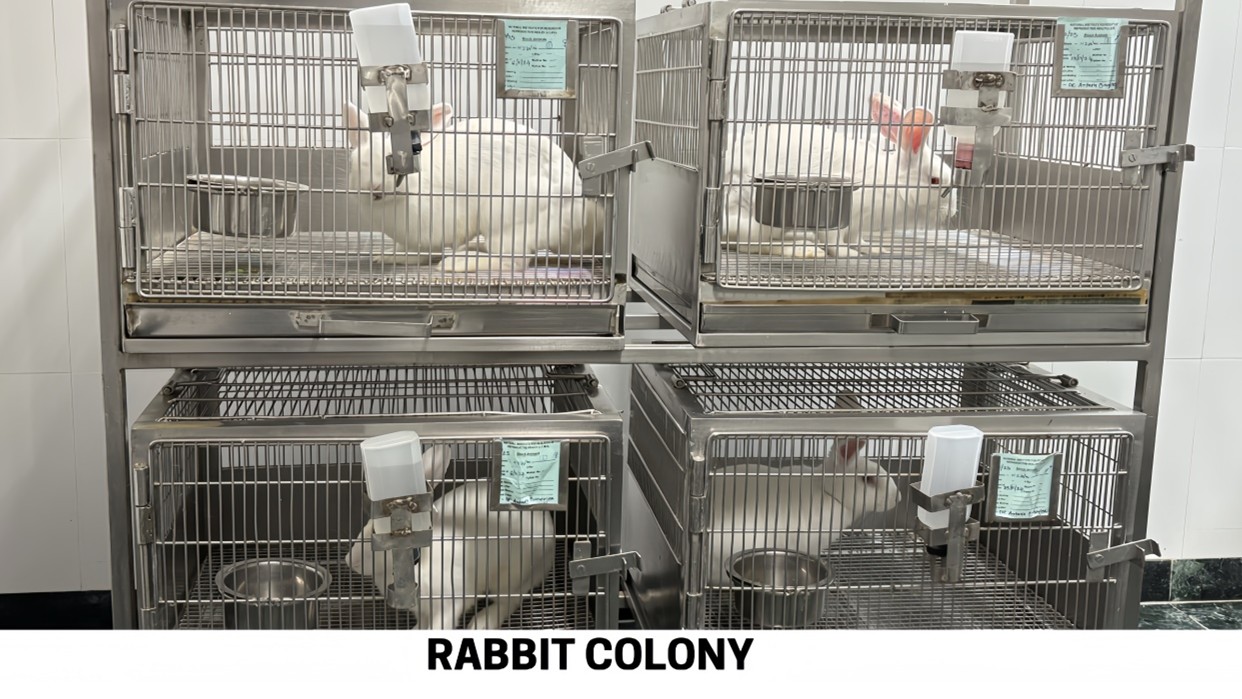
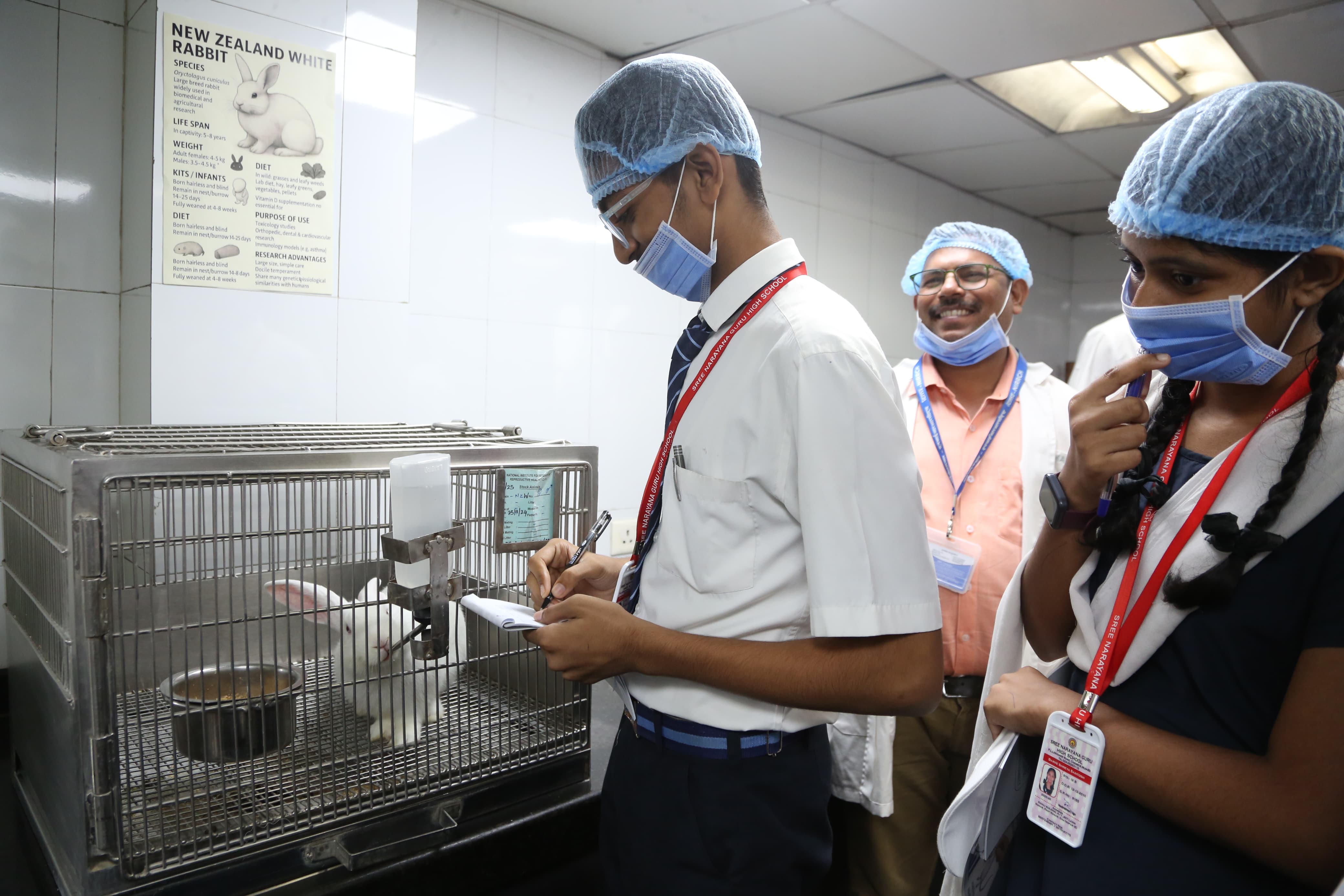
New Zealand White rabbits (Oryctolagus cuniculus) are being housed in the facility to support various research projects. The rabbits are housed in species-appropriate cages with proper bedding, ventilation, and hygiene. Our trained staff ensures that all procedures are carried out with minimal stress to the animals, strictly following animal welfare protocols and ethical standards.

The Dedicated Diagnostic Laboratory at the Experimental Animal Facility is established to perform veterinary-mode hematology and Biochemistry testing on a wide range of laboratory animal species including mice, rats, rabbits, monkeys, and marmosets. This state-of-the-art diagnostic setup plays a vital role in generating accurate and reliable preclinical Data that ensures high-quality sample analysis, contributing significantly to ethical animal research and High-impact scientific output.
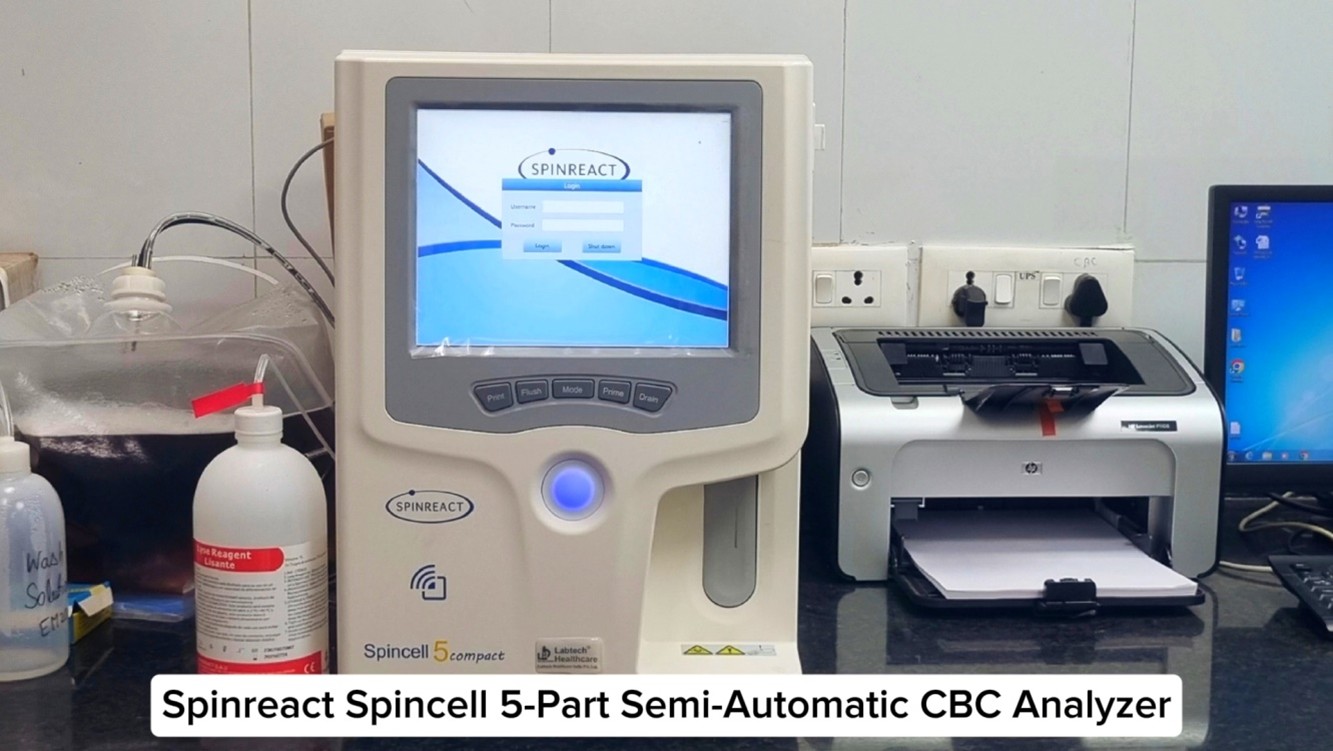
Hematology testing is conducted using the “Spinreact Spincell 5-Part Semi-Automatic CBC Analyzer”, equipped with veterinary mode to run Species-specific blood profiles for different animal strains.
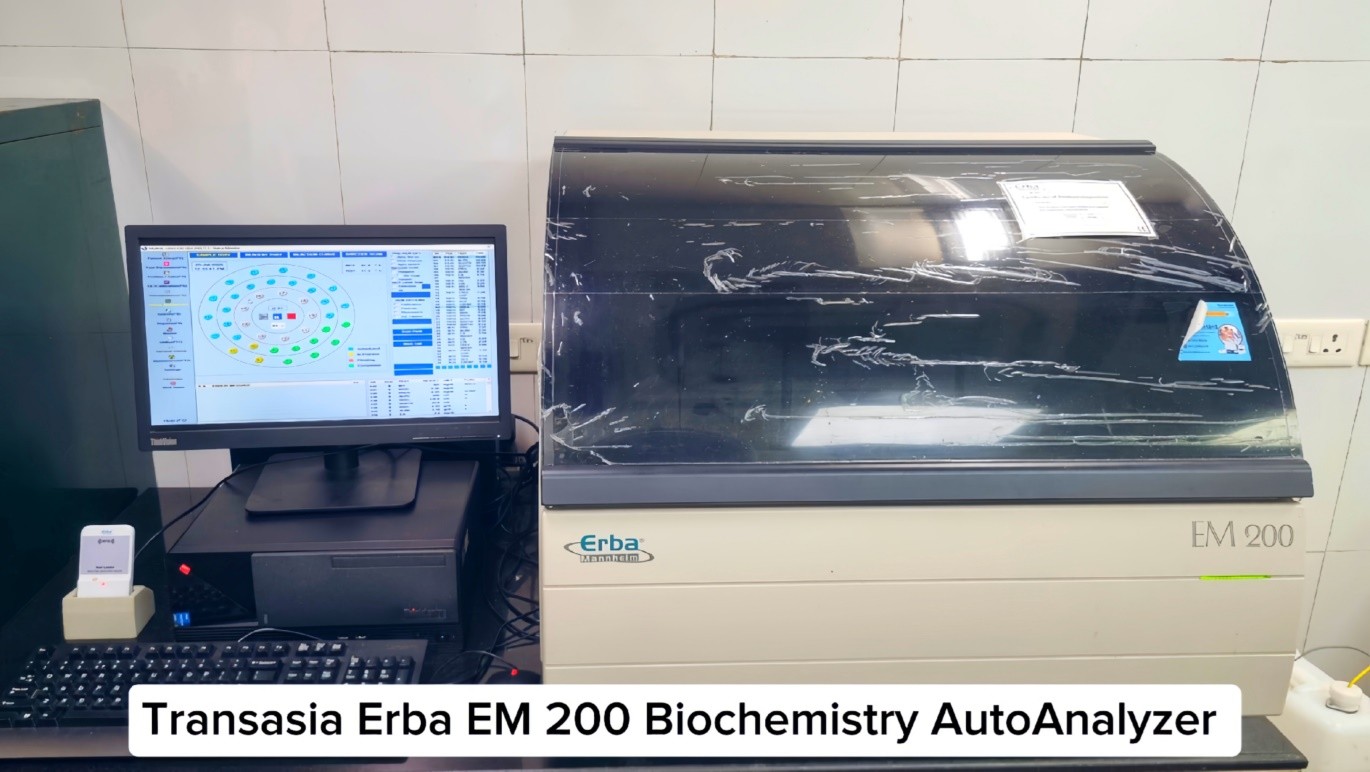
Serum Biochemistry testing is performed using the “Transasia Erba EM 200 Auto analyzer”. The following tests are routinely carried out at this diagnostic laboratory:


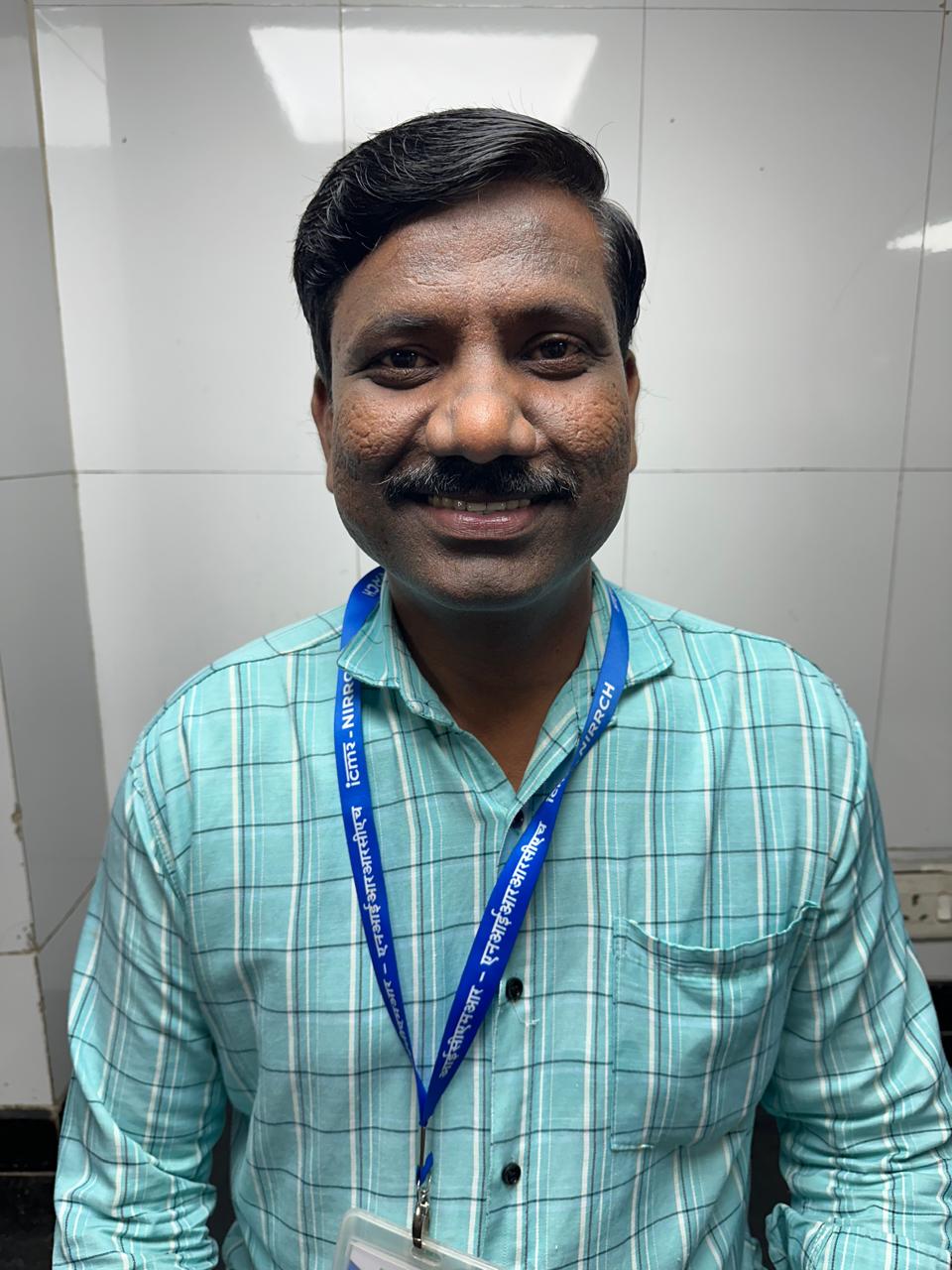
Mr. Akshay Shinde
Contract Staff (MTS) Animal House
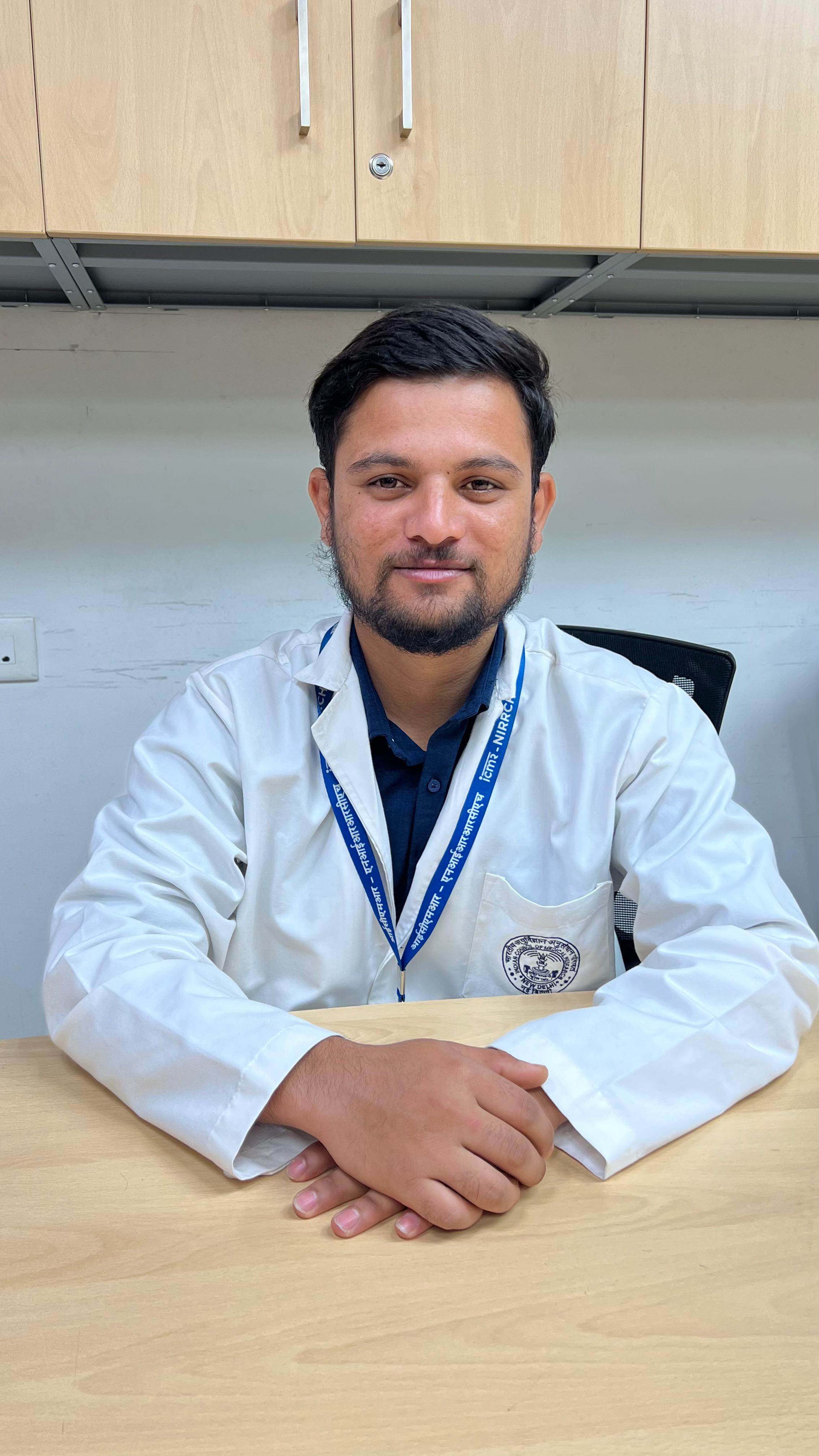
Mr. Amardeep Mohite
Contract Staff (MTS) Animal House